Spiritual Healing: A Guide to Reiki
Updated: Sep 30
Spiritual healing has gained attention as a gentle, non-invasive way to support well-being. Among various healing practices, Reiki stands out for its simplicity and accessibility. This guide explores Reiki, explaining what it is, how it works, and how you can experience it for yourself.
What Is Reiki?
Reiki is a form of energy healing that originated in Japan in the early 20th century. The word "Reiki" combines two Japanese words: rei, meaning universal, and ki, meaning life energy. Practitioners believe that this life energy flows through all living things and that when it is low or blocked, physical or emotional problems can arise.
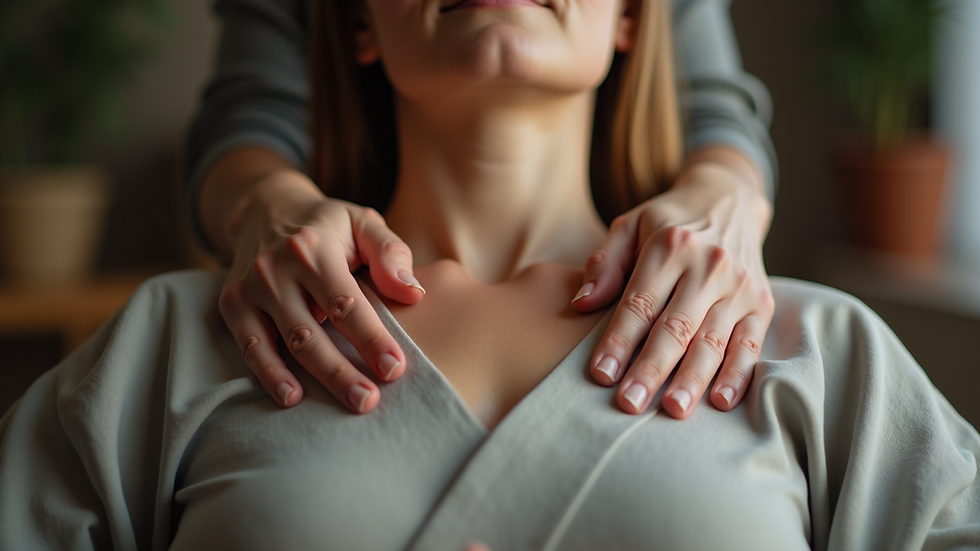
Reiki aims to balance this energy by channeling it through the hands of a trained practitioner to the recipient. This process is said to promote relaxation, reduce stress, and support the body's natural healing abilities.
How Reiki Works
Reiki is based on the idea that energy flows through the body along pathways called chakras and meridians. When energy is blocked or unbalanced, it can cause discomfort or illness. Reiki practitioners use specific hand positions on or near the body to clear these blockages and restore energy flow.
During a session, the recipient usually lies down fully clothed while the practitioner places their hands lightly on or just above different parts of the body. The experience is often described as deeply calming, with some people feeling warmth, tingling, or a gentle pulsing sensation.
Benefits of Reiki Healing
Many people turn to Reiki for its potential to support overall wellness. While scientific research on Reiki is limited, anecdotal evidence and some studies suggest it may help with:
Reducing anxiety and stress
• Creates deep relaxation and aids the body to release stress and tension,
• It increase body self-healing abilities,
• Aids better sleep,
• Reduces blood pressure
• Can help with acute (injuries) and chronic problems (asthma, headaches, etc.)
• Helps relieve pain,
• Removes energy blockages, bringing the body into balance and harmony,
• Assists the body in cleaning itself from toxins,
• Reduces some of the side effects of drugs and helps the body to recover from drug therapy after surgery and chemotherapy,
• Supports the immune system,
• Increases vitality and postpones the aging process,
• Raises the vibration frequency of the body,
• Helps spiritual growth and emotional clearing
Easing pain and tension
Improving sleep quality
Supporting emotional balance
Enhancing relaxation and mental clarity
For example, a study published in the Journal of Alternative and Complementary Medicine found that Reiki sessions helped reduce pain and anxiety in patients undergoing surgery. Another research review noted improvements in mood and well-being among people receiving Reiki.
What to Expect in a Reiki Session
If you decide to try Reiki, here is what typically happens during a session:
Setting: The room is quiet, comfortable, and often softly lit.
Position: You lie down on a massage table or sit comfortably.
Duration: Sessions usually last between 30 and 60 minutes.
Process: The practitioner places hands on or near your head, shoulders, stomach, feet, and other areas.
Experience: You may feel warmth, tingling, or deep relaxation. Some people even fall asleep.
Reiki is non-invasive and does not involve manipulation or massage. It is safe for people of all ages and can be used alongside conventional medical treatments.
How to Find a Reiki Practitioner
Finding a qualified Reiki practitioner is important to ensure a positive experience. Here are some tips:
Look for someone certified by a reputable Reiki organization.
Read reviews or ask for recommendations from friends or wellness centers.
Schedule a brief consultation to ask about their training and approach.
Trust your intuition about the person’s energy and professionalism.
Reiki and Spiritual Growth
Beyond physical and emotional benefits, Reiki can support spiritual growth. It encourages mindfulness, self-awareness, and connection to a higher energy or purpose. Many people find that regular Reiki practice helps them feel more centered and peaceful.
Common Misconceptions About Reiki
Reiki is sometimes misunderstood. Here are some clarifications:
Reiki is not a religion. It is a spiritual practice open to all beliefs.
It does not replace medical treatment but can complement it.
Practitioners do not "heal" you directly; they facilitate your body’s own healing.
Reiki is safe and gentle, with no side effects.
Practical Tips for Experiencing Reiki
If you want to try Reiki, keep these points in mind:
Wear comfortable clothing.
Arrive with an open mind and relaxed attitude.
Drink water after the session to help flush out toxins.
Notice how you feel in the hours and days after treatment.
Combine Reiki with other self-care practices like meditation or gentle exercise.
Final Thoughts on Reiki Healing
Reiki offers a simple way to support your well-being by balancing energy and promoting relaxation. Whether you seek relief from stress, emotional support, or spiritual connection, Reiki can be a valuable tool helping into your wellness journey.
Disclaimer: This blog post is for informational purposes only and does not replace professional medical advice or treatment. Consult your healthcare provider before starting any new healing practice.